Letters reveal disturbing prison writings from Jonathan Lee Riches, aka JLR Investigates
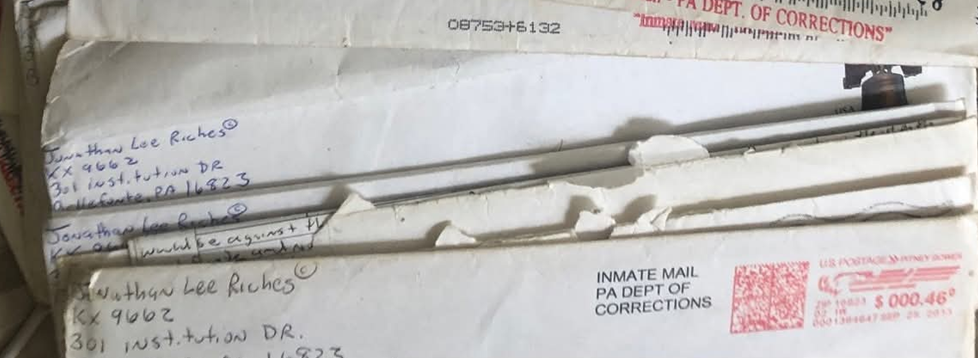
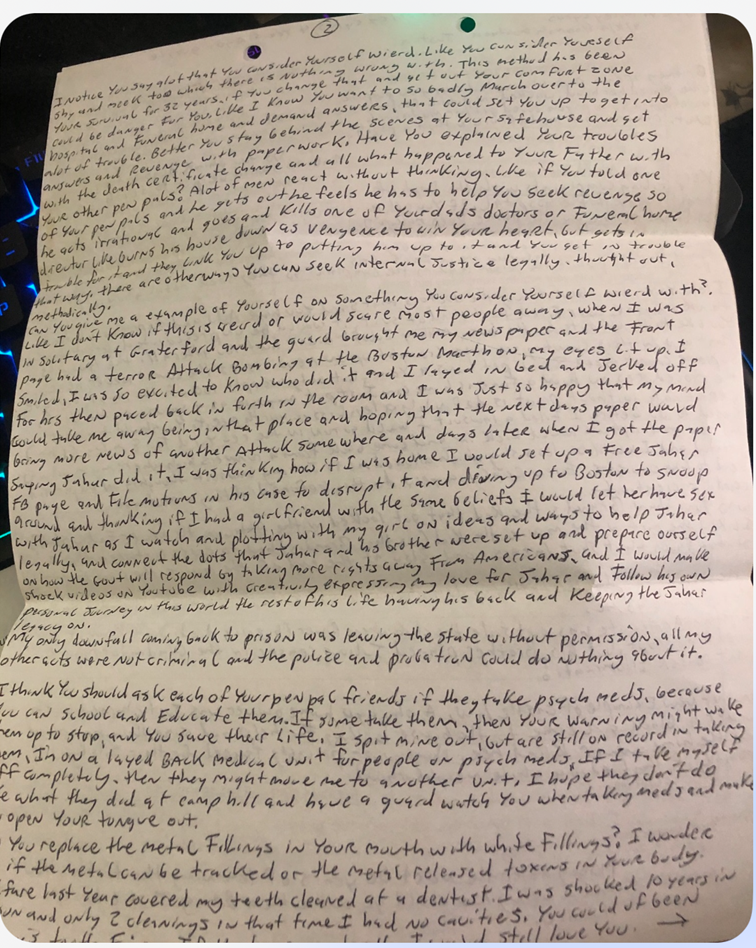
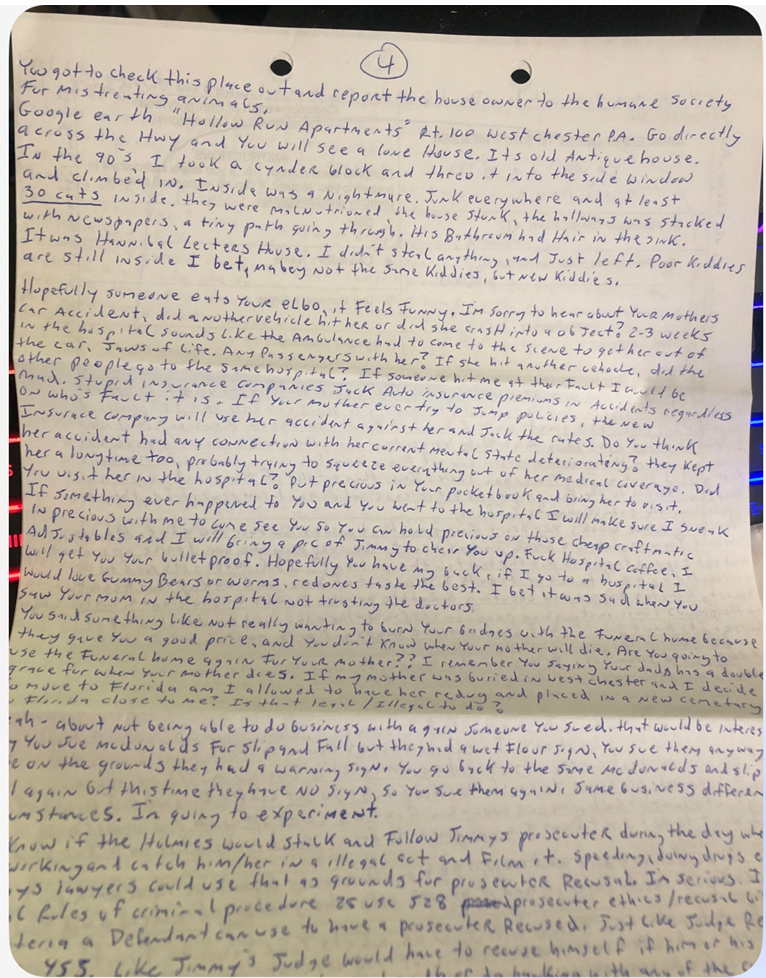
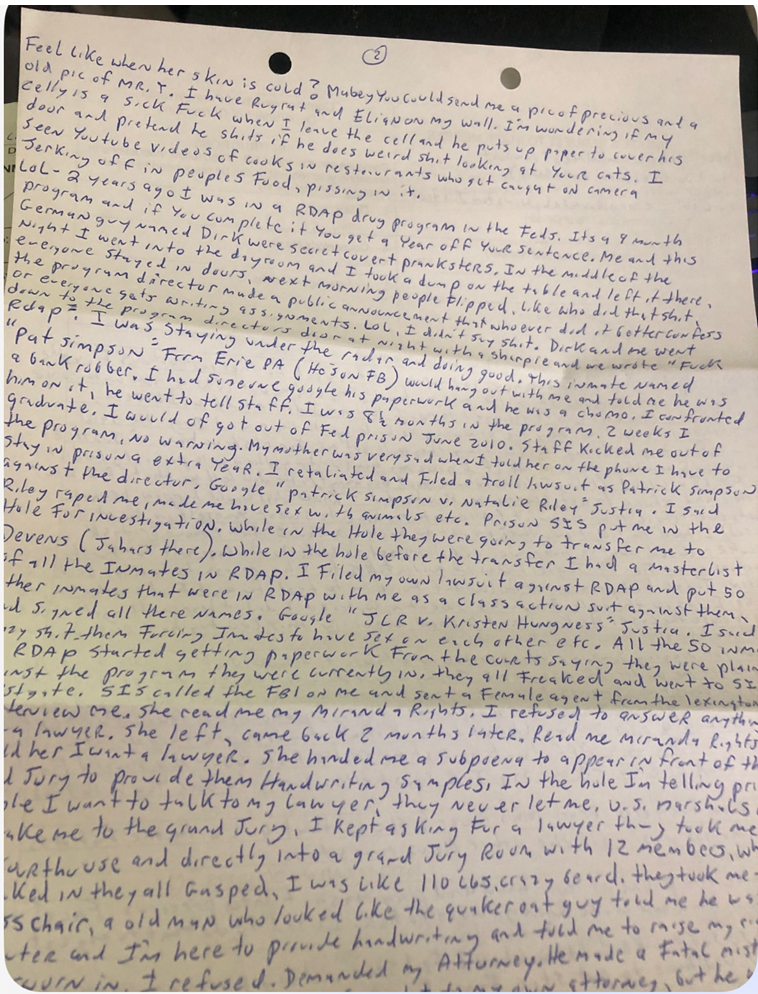
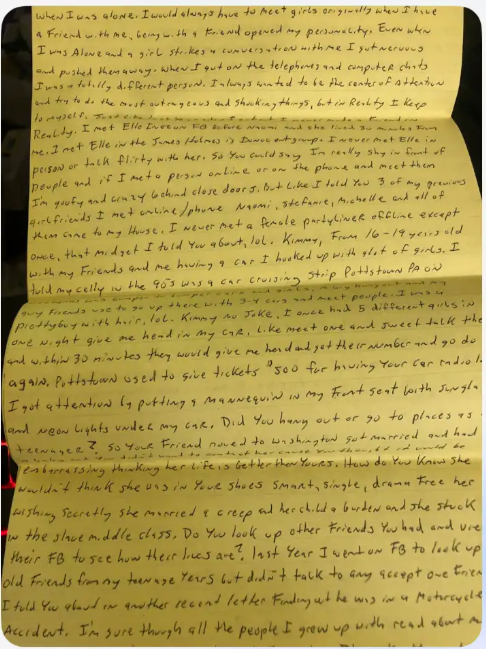
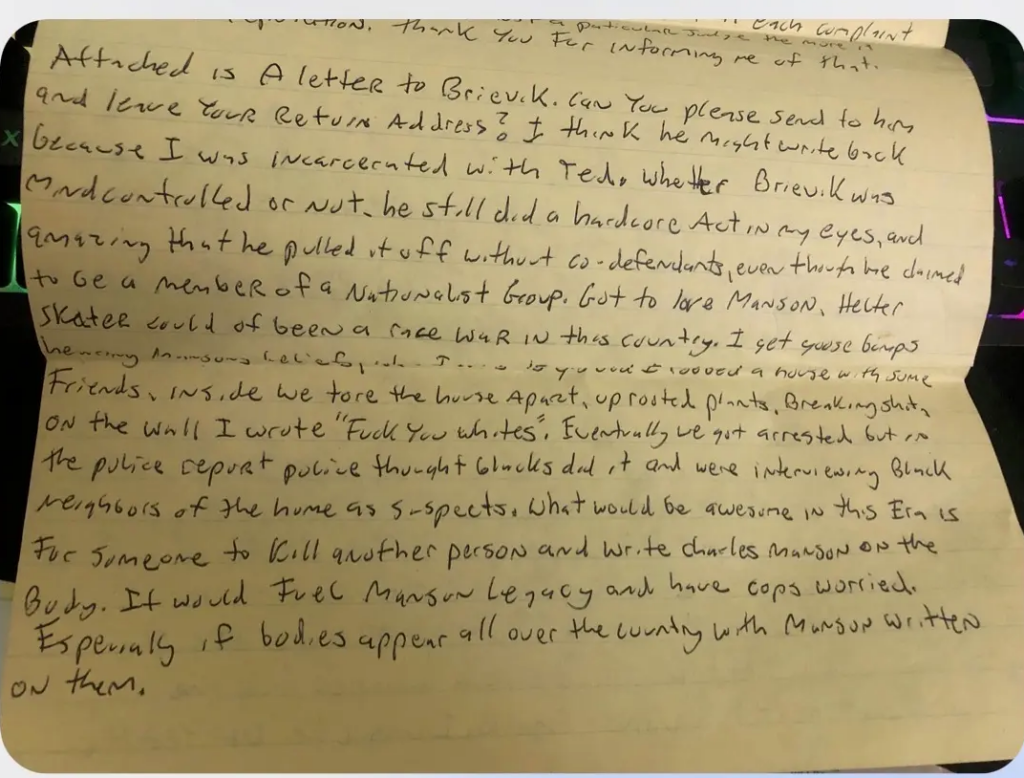
Newly released records appear to show prison letters sent by Jonathan Lee Riches, also known online as JLR Investigates, offering a striking look at the kind of language, themes, and claims contained in his handwritten correspondence.
“For someone to kill another person and write Charles Manson on the body. It would fuel Manson legacy and have cops worried. Especially if bodies appear all over the county with Manson written on them.”
-Jonathan lee riches
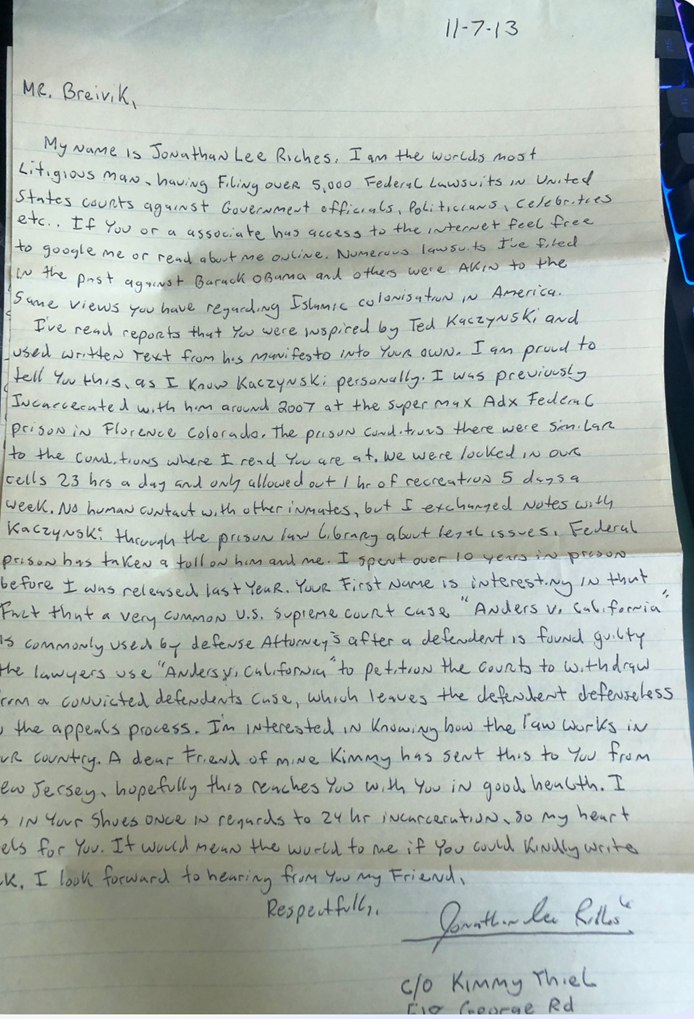
Across multiple pages, the letters appear to show Riches portraying himself as a prolific filer of lawsuits and someone with unusual proximity to notorious criminal cases and figures. In one letter, he describes himself as “the world’s most litigious man” and references having filed thousands of federal lawsuits. He also appears to claim he knew Ted Kaczynski while incarcerated, presenting that alleged connection as part of his own story.
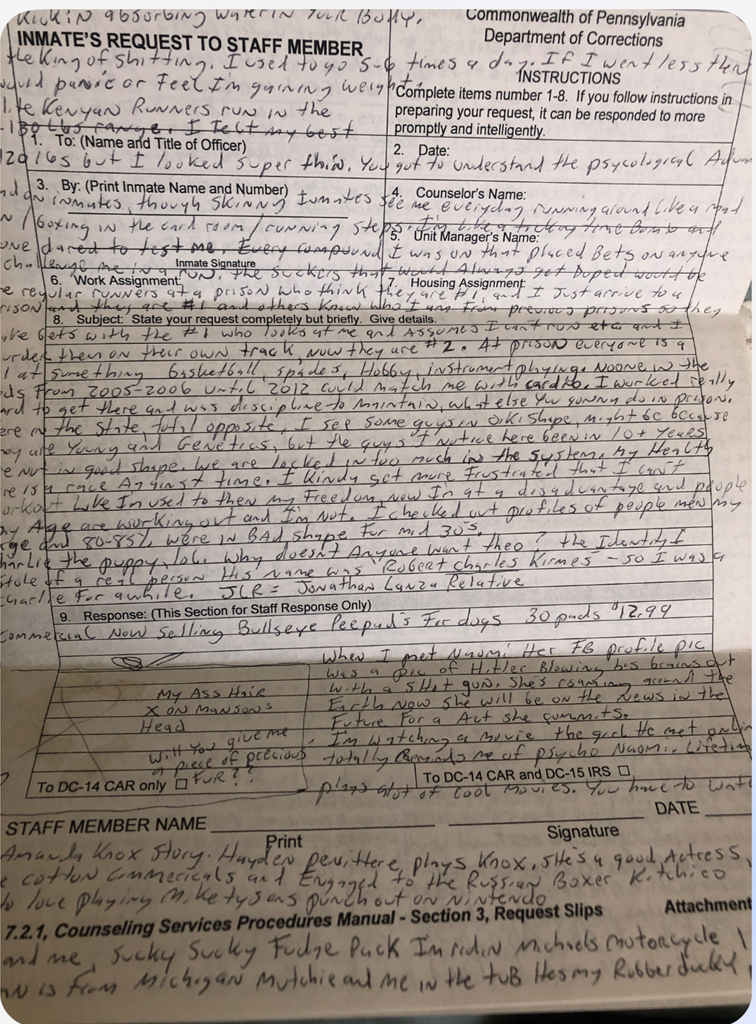
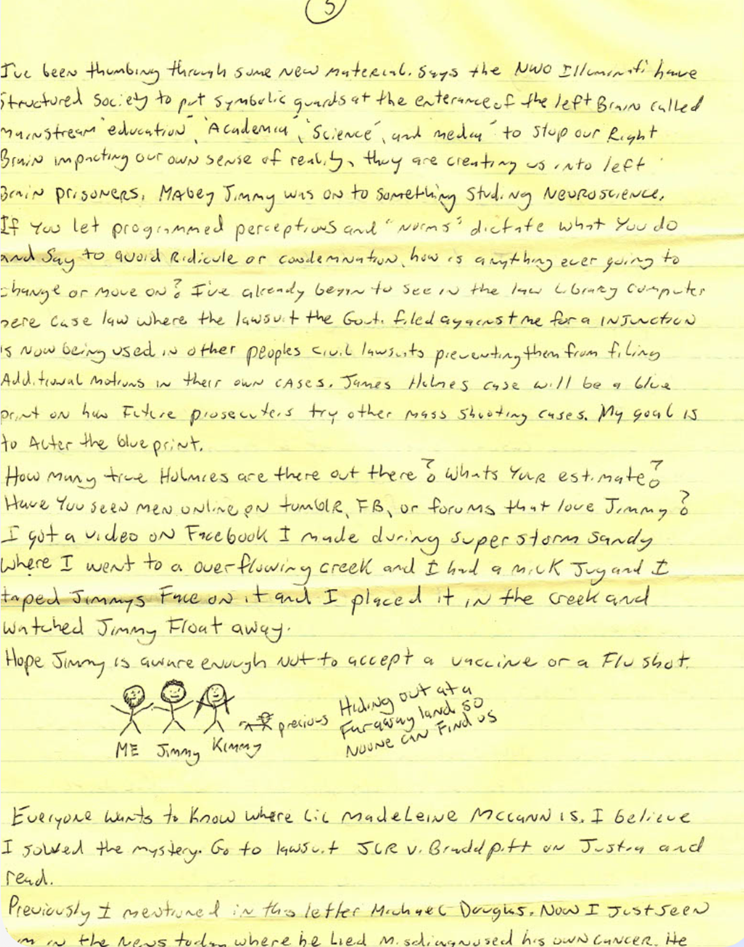
The writings, as seen in the records, move rapidly between legal references, personal anecdotes, and broader commentary that can fairly be described as rambling or disjointed. In several sections, the letters appear to reference court cases, prison conditions, and legal procedures. In others, they shift into conspiracy-laced commentary, provocative statements, and claims that are difficult to independently verify from the letters alone.
Some of the most eyebrow-raising passages appear to reference infamous crimes, controversial public figures, and sweeping theories about society, media, and control. The material also includes crude and offensive language in places, along with statements that seem intended to provoke, unsettle, or draw attention.
Rather than presenting a clear narrative, the letters appear to reflect a pattern of grandiose claims, erratic topic changes, and repeated efforts to place the writer near high-profile events or notorious names. At points, the writings seem to mix legal talk with sensational personal storytelling, making the overall collection read less like ordinary correspondence and more like a chaotic personal manifesto.
The records speak for themselves. What they appear to show is a body of prison correspondence filled with sensational claims, inflammatory remarks, and self-aggrandizing language that readers may interpret for themselves.